Posted on

Coronavirus Info.

The beginning of 2020 has been incredibly trying already and the prolific COVID-19 virus that continues to wreak havoc. Below is a concise info-graphic about symptoms, spread, and prevention. There is a lot of info being flooded into your home from every social media and news outlet. A lot of it is fear mongering, however that doesn’t mean this virus is harmless either.

Here are some of the key facts. The mortality rate according to the World Health Organization (WHO) is 3-4%. Which roughly means 3 or 4 people out of every 100 people who contract this virus will pass away. It is most severe for those above 60, anyone with an already compromised immune system, those with heart or lung conditions, and those with diabetes. For the rest of us, 80% of cases are represented as mild with symptoms last about 2 weeks. But remember, there is up to a 14 day window before you are symptomatic that you can spread this virus to others, which is why it has been so hard to detect early on.

The key with this is educating people about symptoms, communicating with your doctor, and self-quarantining. Wash your hands often and well. It takes at least 20 seconds of washing your hands with soap and water to effective clean them. If you are using an alcohol based hand sanitizer, you need to rub your hands together until they are dry for it to be effective. Clean common areas frequently, such as door handles. If you have to cough or sneeze, do it into your elbow or shoulder. If you feel bad, stay home and don’t risk infecting others.

For more info on Coronavirus, check out the CDC website.


image_4621f014-9692-4d9d-abf2-f130853d05df20200311_101955.jpgimage_4621f014-9692-4d9d-abf2-f130853d05df20200311_101955.jpg

Posted on

The Next Level of Situational Awareness

Building on our first post on situational awareness, lets expand and build on the foundation. We talked about knowing your environment, exits, routes, and your position within the space. We also talked about defining threats and identifying your response, either run, hide, fortify, or fight. What happens if you aren’t static? How do you identify threats, escape routes or decide what to do if you perceive an imminent danger?

First, we need to know where we are. Sounds basic, but in the age of GPS and cell phones we forget to know where we are when Google can tell us where the nearest Starbucks is. Do you know the areas you are driving or walking? Are they familiar enough that if you had sprint for your life zigzagging and dodging down side streets; would you know where you were to communicate with 911? Being able to communicate where you are, or the ability to guide someone to your location could be critical if you are bleeding. If you are going to an unfamiliar location, look at the map ahead of time. If the streets are numbered, are the numbers going up as you head West or North? What about the location of a hospital or a bridge? I’m not saying memorize the city map but know that if you need to head east to get to a hospital that you need the street numbers to be decreasing. A basic layout or understanding can make a big difference, even in knowing how to navigate a closed road in an unfamiliar city. Know where you will be and get the lay of the land so if you must move in a hurry, you have a plan.

Now that we have a plan, how do we identify potential threats? The basics don’t change, scan and evaluate what you see and hear. Your subconscious gathers and processes a lot more data that you can understand in any single sitting. So if your gut says somethings off, that’s your subconscious recognizing something that you haven’t processed yet. Trust your gut! Watch what people have in their hands or on their body. Can you see a bulge on their right hip through their shirt? Do they have a brick in their hand, and they clearly aren’t building a new barbeque pit at 11 pm on this dark street? What about if the person has a backpack? Most people won’t start a fight with both arms through the straps of their backpack, it can slow them down and hinder their movements. Watch those that are carrying their backpack, or have one arm through the straps, or maybe they just ditched the bag. All of these could be indicators of a threat.

The key with this kind of situational awareness is the same as the basic concepts discussed before. Practice so that looking for the threats are second nature. Avoid situations that lend themselves to you being at a disadvantage, like unlit streets or where your back is literally against a wall. Remember to trust your gut, it’s kept a lot of people alive to be cautious and follow their instincts. Eyes up, off the phone, and scan! It doesn’t matter if you are in a restaurant or new city, awareness equals prevention.

Posted on

Glock 44 Review

I mentioned that we are expanding and new things were coming. Many people ask our opinions of new firearms, subscriptions boxes, knives, etc. So, we will be introducing our own reviews for products. We understand there are hundreds of reviewers out there and rarely is there any vast difference between them. We want to take your suggestions on products to review and give our honest opinions, hopefully in a fresh perspective or if nothing else in a concise manner. What we review will be paid out of our own coffers and will be as impartial as possible. We will keep the reviews short and direct, so you aren’t drudging through 18 pages of back story and personal history before you find what you are looking for. Hopefully you find these helpful!

I have been sitting on this for a while. I’ve tried to like the new .22lr offering from Glock, I really tried! But after a few hundred rounds through the 44 I have to call it, it is terrible. Not only is it terrible, but a waste of money. I bought it initially hoping that having a .22 the same basic shape and size as a 19 could help some of my newer shooters to transition into a more capable round, but I couldn’t put this in a novice hands unless I wanted to show them all the various and multiple ways a gun can malfunction. Additionally, the sights aren’t adjustable and they desperately need to be.

I haven’t found any ammo that the 44 likes. I’ve tried 20-50 rounds of 6 different .22lr offerings, and each one had the same overall performance. Stovepipes, double feeds, failures to eject, and failure to feed were common. After the first box of ammo I started keeping track. On average I found that 1 out of 5 shots had an issue. So, I started researching and I’m not alone… not by a long shot! Issues reported include failing extractors, striker eating away at the spacer sleeves, cracked slides, and a myriad of other complaints. Overall it appears that it’s a crap-shoot if you are going to get a unit that is sighted well, doesn’t malfunction, and fires most ammo. If you are part of the lucky few that get one of those, I’m hearing they are a great!

My overall opinion: don’t waste your money. Glock does a lot of things well; this isn’t one of them. The number of functional issues should be heavily weighed if you want to buy one of these pistols. I would caution anyone getting one to make sure to inspect it regularly and wear your eye protection! There have been episodes of the 44 having catastrophic failures, although rare. If you must have a .22lr pistol, this isn’t the one you want to add to your collection.

Posted on

Absent but never left…

I want to first off apologize for the lack of posts here lately here on our website and specifically the blog. The website has been in the back seat for the last few weeks while we work on transitions and expansions behind the scenes. Although our presence has been diminished on our website, we have been no less active. During this lull in blogging we have continued to hold classes and keep up our social media accounts on Facebook and Instagram. If you haven’t subscribed yet, I’d recommend it! We post pictures of classes, firearms, and interesting articles.

In the coming weeks you will see some LARGE changes coming to our website and our offerings. We are going to our first business expo as a vendor, partnered with our local Chamber of Commerce, and have a new relationship with a local training group with their own range. Some classes you will see include courses geared towards churches and non-profit organizations, more business-oriented options including active shooter programs, and STOP THE BLEED class that’s paired with an active shooting component. Again, we may be quiet on here, but we are still very alive and still committed to providing you training.

We are a small company dedicated to combating Murphy’s law. What can go wrong, will go wrong, but that doesn’t mean you have to be unprepared for it. We believe this whole heartedly and will continue to grow to serve.

Posted on

Reloading Revolvers

I want to take a little time to talk about revolvers. This post may not appeal to the majority as any people find revolvers to be antiquated. This can be due to the limited number of modifications and customization, smaller capacity, and difficulty many people have reloading them quickly or easily like a semi-auto. I will admit, reloading a revolver quickly is not as simple as a semi-auto and often requires special tools, equipment, training, and in some cases specifically designed pistols. Today I want to talk about a few options for faster reloads for modern revolvers which includes speed strips, speed loaders, and moon clips. You can click on any of the photos below to see an example of each reload.

Speed strips are little rubber holders that keep the bullets contained in a row. This keeps the bullets organized and spaced out so you can usually put 2 bullets into the cylinder at once.  There’s a reason for this! They are designed for the “shoot two, load two” method. This keeps you with a full cylinder at all time. The method is to engage your target twice and take cover. With the speed strip, you would open the cylinder barrel facing down at a 45-degree angle and press the ejector rod halfway up and release. The 2 cases that were fired would stay half ejected due to the expanded ends from being fired. You would remove them, take out your speed strip, press the two rounds into the open holes and peel the strip away leaving these fresh bullets in the cylinder. This method obviously takes a lot of practice to master and has a lot of merits. It was very popular by the FBI during their early years before adopting semi-autos.


Click the picture to see a speed strip reloadClick the picture to see a speed strip reload

Click the picture to see a speed strip reload


Click the picture to see speed loader reloadsClick the picture to see speed loader reloads

Click the picture to see speed loader reloads

Speed loaders come in two main varieties, the HKS and Safariland styles. Both styles require you to empty your cylinder completely and load all the rounds at once in the same position with the barrel facing straight down with the cylinder open. The primary difference is how the two release the rounds into your firearm. The HKS style you would hold the cylinder in your non-dominant hand and place the loader on top of the cylinder with all the rounds partially in their spaces. You then use your dominant hand to twist a knob on the top of the loader dropping all the bullets in at once. With the Safariland, you would again hold the cylinder in your non-dominant hand, barrel down, push the loader into the cylinder and the force of you pushing the entire loader onto the cylinder would release a spring holding the bullets in place, dropping them into your gun. In both styles of speed loader you would let the loader drop while you close the cylinder to re-engage.

The last method of moon-clips is the fastest method but does require a gun specifically cut to accept them. A moon clip is a small stamped piece of metal that has all the rounds pressed into it and held together. Your gun will need to have a cylinder cut to accept this because the piece of metal stays with the bullets and goes into your gun with them as one unit. Again, you would empty your cylinder and face the barrel straight down, gripping the cylinder with your non-dominant hand, and using your dominant hand, drop the entire moon clip/bullet combo into the gun and close the cylinder. That’s it! The clip holds the rounds together during the load and unload when you eject the spent cases. This is the fastest as you don’t need manipulate additional knobs, strips, or anything else. 


Click the picture to see a moon clip reloadClick the picture to see a moon clip reload

Click the picture to see a moon clip reload

Admittedly when talking about reloading, modern revolvers isn’t as easy as hit a button and slam a new magazine into the gun. You want to practice your method of reloading, so the entire process is part of your muscle memory. You don’t want to think about it, you want your body to go through the motions effortlessly and smoothly. Slow is smooth, smooth is fast. Regardless of if your EDC is a revolver or semi-auto, continued practice and training to optimize your effectiveness and time on target is key.

Posted on

Basic Situational Awareness

Today I want to take a few minutes to talk about basic situational awareness. Situational awareness has a lot of different meanings and interpretations depending on what situation you are in and what you need to be aware of. A law enforcement professional will have a different situational awareness need than personal security. They both may be looking for similar red flags, but they will react differently to them. When we talk about an everyday person who wouldn’t expect to encounter the hostility or scenarios of most armed professionals, we need to look at situational awareness in 2 pieces, environment and events. This is my interpretation from experience of what people should know, it’s not what you will learn when you go to a class focused on tactical situational awareness. This is more usable for everyone and can be taught at any level.

The environment is exactly what it sounds like, it is the location you are in and the surrounding areas. When we talk about situational awareness of your environment, we are really talking about the conditions you see, conditions you can anticipate, and how you will respond. For instance, when you enter a restaurant, do you recognize how many emergency exits there are? It seems simple but in the event of a fire, care driving through the front door, or an active shooter, how will you escape? Taking time to catalog exits as you enter an unfamiliar area is a basic building block of situational awareness. A great routine to get yourself into when going to a restaurant is to immediately excuse yourself to the restroom once your seated. This gives you an easy way to survey the area and identify less visible exits like one towards the back of a building, or the ones typically found in the kitchen. On the way back to your seat you can get another glimpse of the area from another angle which can show you the direction of possible attackers.

Another aspect of environment is how you move through an area or position yourself. In the idea of a restaurant or any public place you will always hear people say never sit with your back to a door. That’s a great practice, but unrealistic. I would say position yourself with the best vantage point to give yourself options. You may find you have your back to a door, but that door is to the kitchen where there is a lesser likelihood to be attacked from the kitchen than the front door or patios. As you move through areas you should be looking at not only exits and vantage points, but bottlenecks. Areas that people could pile up making escape less viable. Humans are creatures of habit so they will typically exit using the same door they came in, even when there are several options. Identify your best route and exit to avoid crowds.

Once you have defined your route, identified your exits, and picked a position that best gives you line of sight to possible incidents, you can relax a little. Now you can focus on identifying potential threats. I’m not suggesting you are looking at every person in the room and doing a risk assessment on them. I am talking about determine how you would recognize the first signs of trouble. It could be smelling something burning and smoke from the kitchen, it could be someone near the bar getting louder and belligerent, or the sound of the first round fired from a gun. That is the difficult one because our brains are trained to identify the safety of a situation based on experience, and most of us will not have heard what a gunshot sounds like in a confined area, without hearing protection. Our brains will try and calm us by making us thing initially it was a shattered glass from the rowdy guy at the bar, or fireworks nearby, or a car backfiring. Our brain will lie to us to prevent us from panicking. Most people will freeze at first because their brain lied to them and they are arguing internally between what their brain is telling them is safe and what their eyes are seeing as danger. These precious seconds are where you need to decide…Run, Hide, Fortify, or Fight.

I can’t make the decision to act for you. You need to have the situational awareness to be looking for these threats, your exits, and how you would respond. The more often you practice your situational awareness, defining exits, bottlenecks, and planning your actions the easier it gets. You will learn to do it instinctively, which is what you want. When shit hits the fan, you want your actions to be muscle memory, you don’t want to waste time thinking of what to do next. Training is key, “We don’t rise to the level of our expectations, we fall to the level of our training”, Archilochus.

Posted on

Winter Home Safety

With winter coming into full effect for most areas, it’s a good time to talk about keeping safe during normal winter activities. US Consumer Product Safety Commission found the most common injuries during winter resided around decoration, hosting parties, and clearing snow. This should be no surprise that they included falls from ladders, burns from ovens/cooking, muscle strains during shoveling snow, and frostbite.  Today, we want to look at things you and your family can do to avoid injuries, and some thoughts on basic first aid if needed. This article is meant for informational purposes and not designed to substitute medical advice. When in doubt, contact a doctor. 

Falls from ladders accounted for over 164,000 injuries related to winter weather. Most of the incidents occur while using a ladder 10 feet or less from the ground. If you are using any ladder its important to have a stable base on firm ground. We’ve all seen the images of the extreme lengths people will go to reach just a little higher, or to use what they have with them versus getting the right equipment. All ladders will have a maximum safe height to use in specific configurations. For example, a standard “A-frame” ladder will say not to step above the last 2 steps. This is because the likelihood of falls or issues with stability increase the farther from the base you get. If you are using an extension ladder to get onto a roof, make sure to extend the top of the ladder at least 3 feet above your landing so you have something to grab onto when stepping off and on the ladder. Also, when using extension ladders you should make sure the base of the ladder is far enough away from the roof to be stable. OSHA recommends for every 4 feet up you go; the base should be 1 foot away from the vertical surface. Meaning, if you are going onto a 24-foot roof, your base should be 6 feet away from the roof edge. Common injuries will include punctures, broken bones, and concussions. For these injuries we recommend seeking medical attention if you have any reason to believe someone has sustained a fall. 

Kitchen burns are incredibly common during the holiday seasons. From grabbing a hot pan to burning your hands trying to carve the turkey.  The other common thing about burns is the incredible amount of misunderstanding about how to treat them. You can put butter on corn, noodles, and potatoes, but NOT on burns! I hear that one a lot. And no, margarine isn’t better. The best thing you can do for a burn is remove the source (to be blunt: stop touching the burnie thing) and run the burn under cool or cold water. You don’t want hot or ice, but cool water. You should hold the area under the water for several minutes. If the burns are on the face, blister immediately, have clothing stuck to the injury, or the young or elderly are burned, seek medical attention! Do not try to remove anything stuck to the burn, let the ER do that. The best way to help these injuries is to prevent them by using potholders, trivets, or to communicate with guests what’s hot, including which burner on a stove may still be hot.

Shoveling snow is an activity many of us will have to do, and something most of us aren’t looking forward to. Some hazards include slipping and falling, muscle strains, and cardiac arrest for those at risk. Shoveling snow can be very physically demanding and because of the cold some areas may start going numb before we realize we are overtaxing the muscles. Some good advice here is to take frequent breaks and rest if you have a large area to shovel. If there is going to be a lot of snow make several trips to shovel before you have all the snow, so you are shoveling smaller amounts more frequently. It’s easier to shovel 2 inches 3 times than 6 inches at once. Plus, there may now be ice under the snow making it more treacherous. Obviously if you can pay someone or get a snow blower, those are the best options. If you think you may have strained a muscle the best option is to remember RICE. Rest, Immobilize, Cold, Elevate. Rest the area, prevent using it, use cold compresses to reduce swelling, and elevate the area.  If you are having trouble breathing, your chest feels tight, or you have any other sign/symptom of heart attack, call 911 or your local emergency number immediately! 

While shoveling snow may not be fun, going skiing, ice-skating, or sledding could be great wintertime activities! But they all share the possibility of frostbite. You can prevent frostbite by keeping vulnerable areas covered and dry, layer clothing, and limit your duration of exposure. Frostbite most commonly effects areas like your toes, fingertips, ears, and nose. These areas generally lose blood flow first when the body tries to conserve your body heat. Frostbite isn’t something you notice on yourself initially because the area goes numb. Signs include the area being soft and red (for light skinned) or lightened (if dark skinned). As frostbite progresses there may be blisters with clear fluid or blood. Treatment is universal here: don’t pop blisters, remove wet clothing, and warm the area gently. You don’t want to put heat directly on the area or give them alcohol. Skin to skin contact is the best way to warm areas with the least damage. Once the area gets blood flow back cover them with a warm dry cloth to prevent further damage. Severe frostbite where areas have turned white, gray, or blue should seek medical attention.

Winter can be a magical wonderland of snow, family, and great food. There are also potential hazards that can be mitigated with a little preparation. I always recommend taking a couple steps back and thinking about what you need before you start a project, whether that’s hanging Christmas lights, baking a pie, or going sledding with the family. A little forethought can prevent injuries, or at least better prepare you to respond. When I go skiing or sledding, I have a small first aid kit and tourniquet as a precaution. For more info and a great quick reference guide the Red Cross has a great first aid app that I highly recommend. The app is great, but it doesn’t replace real world training.

Posted on

Low Light Shooting

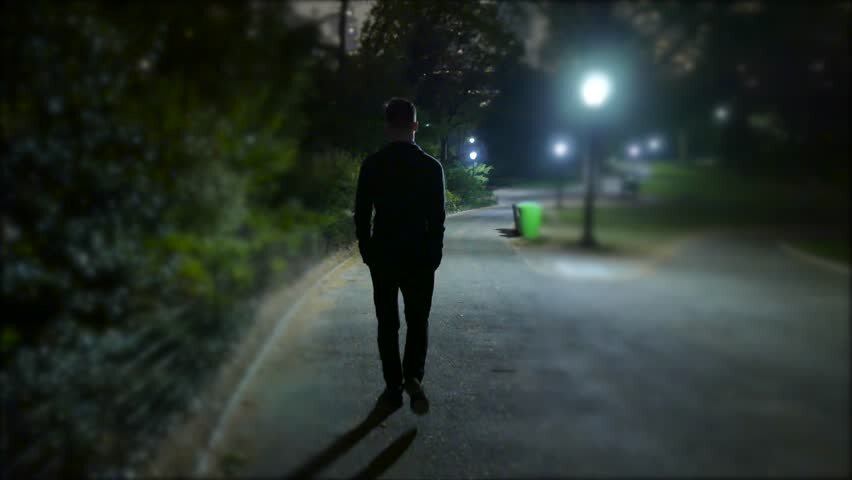
According to police reports, approximately 63% of assaults outside the home and 17% of home invasions occur at night, between 10 pm and 6 am. I recently took part in a low light shoot and found out that a lot of people have some misconceptions about shooting in low or no light. Many people overestimate their abilities at night because of their proficiency in the day, and many others ignore low light shooting conditions as something they won’t ever have to encounter. It’s important to give yourself every advantage in a fight, and given the statistics, I would encourage everyone to take some low-light training classes. Today I want to focus on the differences of having a handheld light or gun mounted.

The pros to carrying a flashlight is that you can use it without drawing your firearm and giving away the fact you are armed. This can’t be understated, using a flashlight when in a dark unfamiliar area can be enough to dissuade some attackers because they may lose their element of surprise. Another pro is that a good sturdy flashlight can also be used as another defensive tool and a hard-striking implement. Another big pro for having a flashlight that isn’t mounted to your firearm is that you don’t need to find a custom fit holster. It seems silly to say but finding a good holster that can be concealed and allows for a weapon mounted light is not particularly easy for some of the options out there.

One of the largest cons is your grip. Hollywood has popularized several styles of holding a gun and flashlight, but very few allow for a grip on the gun to reduce recoil. I could spend hours debating this, but one of the best options is to hold a small flashlight between your index and middle fingers of your non-dominant hand while using that hand to grip the pistol as you normally would do. Its not easy and takes a lot of practice but does offer the most amount of recoil reduction. The other largest drawback to a separate light is that if you have a jam or need to change magazines you have to navigate the postures with a light in your hand. Personally, I drop the light at this moment. If I have a jam or need to change mags I drop the light, take cover and deal with my problem before re-engaging. I would rather lose the light than the precious seconds it takes me to pocket the light, tuck it in my armpit, or whatever other options you come up with to retain the light.

So what about having the light directly integrated into the firearm? Well the pros are easy. The light doesn’t require two hands, allowing for the best grip on the firearm. The light stays with you in the event of a jam, mag changes, etc. You don’t have to remember to put the light in your pocket when you leave every day. The cons however are that it does require a specialized holster that may be bulky or difficult to come by for your firearm. It can also give you a false sense of security because its always there ready for you. But what happens if the light fails? Or the battery dies?

I am a proponent of “why not both”? Carry them both, train with them both and don’t rely on one versus the other and don’t give yourself the single point of failure. You get the pros of both options and you give yourself a new option that few think of. Deception! You can use both light at the same time to give the illusion there are 2 of you. If you are pinned down you can turn on your handheld and turn off your weapons light. Now you can turn the tables. Leave the handheld light in place as you retreat in darkness, toss the light in another direction creating a diversion and masking your position as you move, or place the light on one side of cover while your move to the other side to engage your aggressors. The option of having both lights can save your life.

There are a lot of people that talk about the importance of carrying a flashlight or having a weapon mounted flashlight, as if the option is one or the other. My experience is that the two options can work together for you, but the pros and cons for either can’t be ignored. Low light shooting is a different beast and by deciding to train for low light shooting you acknowledge that you believe there is a reasonable likelihood that you will have to defend yourself or your family with limited visibility against an active threat. Don’t take that lightly, train to preserve life even when the hour seems darkest.

Posted on

Vehicle Safety

On average, Americans spend 152 hours in their car per year. Yet very few of us think about our safety beyond a car accident. The time we spend in the car is often spent on auto-pilot not fully aware of our surroundings or what we have in the car. For those of us who are in the car more than we are our own homes, we need to focus more on the likelihood of having an emergency event on the road than we would in our house. However, very few of us are really prepared for the possibility of a life altering event when traveling. Today we are going to go over some things to be aware of when talking about vehicle safety. 

The first big thing to go over is the obvious condition of the vehicle. The importance of regular and proper maintenance can’t be overstated but let’s focus on the smaller details that’s easy overlook. 

    Do you have a good set of windshield wipers and enough washer fluid in the car? This seems minor, but in a torrential downpour or heavy snows your ability to see is crucial! You can easily overdrive your headlights (driving faster than you can stop within the distance you can see illuminated) even before you add in obscuring weather. Give yourself the best possible chance to see oncoming or upcoming hazards with a clean windshield. 

    What about your tires? Another rudimentary thing, but how often do you check your tires or their pressure? Very few people check that their tires have enough tread and aren’t rotting or cracking. Take the time and look at your tires, you are literally relying on them to keep you on the road and stop you in an emergency! You can google how to check your that your tires have enough tread, all you need is a penny.

 Now let’s talk about what’s in your car. There are a lot of lists of things you can keep in your car and you can look them up if you want to carry a large toolbox worth of things in your car. For me, there are 3 critical things you always need in your car. First are tools to change a flat tire. Seems simple, but when you bought your car, did you check that it had everything you needed in it to change a tire? Do you know how to get the tools out of wherever they are hidden on the car, or how they are used? Take time to look at them and identify how to use them. If you need to change a tire at 2 am on a back road with low lights, that’s not the time to try and find out you don’t have a lug wrench. Second is a basic first aid kit. You may find yourself cutting your hand on the nail that just gave you a flat tire! Or if you have an accident, you may be 20 minutes from am ambulance responding or out of cell reception. I know its hard to believe but there are areas that don’t have reception still. I have a 90-minute drive through a national park that has ZERO reception. Finally, I would have an emergency tool that can cut a seatbelt and break windows. Even if you have it, make sure you can reach it with either hand in case one of them is pinned or injured.

The last big thing to think about is protecting yourself while driving. I don’t mean defensive driving, but literally defending yourself while traveling. When I teach people about concealed carrying while driving, I tell them that they should be comfortable shooting the length of their car in case you are attacked during those 150+ hours you spend in your car. Not only should you be able to shoot that distance but do it proficiently! Be aware of your surroundings as you travel, park, or get gas. People acting suspicious isn’t the only indicator of a bad area. If its 4 pm and there are no kids playing outside, that may tell you it’s a high crime area. Don’t forget, when your life is on the line, your car can be used to defend yourself by moving obstacles and attackers out of the way. Be aware of your surroundings and the condition of the area you are in so that you don’t make yourself appear to be an easy target for an attack or carjacking.

Cars can be a dangerous place with over 40,000 people dying in car accidents last year. Maintaining your car, having the right tools with you, and being aware of dangerous conditions outside your vehicle are just some of the things you can do to make sure you and your family aren’t a statistic. We all spend a lot of time in our cars, we should do everything we can in them to be safe so we can spend as much time as possible outside of the vehicles enjoying life with our loved ones.

Posted on

Less Lethal Personal Protection Options

According to the FBI, in 2017 there were over 800,000 aggravated assault cases reported in the U.S., a measured increase from 2016. When looking at the vast options for personal protection while out of the house, its always interesting the amount of people who rely on a single option for defense. Whether its carrying a firearm or the age old “I’ll just use my keys” option, its important to have a backup plan. Threats can be everywhere, and you may not always be armed, or you may not be easily able to reach your pepper spray at the bottom of your purse. Today I want to go over some common options for personal protection, their pros and cons. This list was picked for their less than lethal appeal and their common availability.

The biggest option I hear people, and specifically women, use as a viable self defense tool are their keys. The theory here is that they will put their keys in between their fingers pointing out like a set of claws. The idea being you can gouge, scratch, and defend yourself with them. I don’t know where this technique came from but for the vast majority this is dangerous for 2 big reasons. The first big one is something called degloving, where your skin is peeled off your fingers. I’ve seen this happen many times with people wearing wedding rings and falling on stairs or a ladder and the ring strips the flesh off the finger. The key ring on your keys can do the same thing in a violent attack if you fall or if the keys are pulled from your grip. The second reason is the exact reason people look to their keys as a defense mechanism, and that’s that they are a hard object with teeth! This is also the problem with wielding them as a defense tool because if you punch something with the keys in your grip, you are just as likely to cut yourself as you are the assailant. You can also break bones in your hand if you miss your target and find a wall or car. So, although these have been an age-old popular tool by many people as viable for self-defense, I would caution people against it.

Another option that is commonly talked about is pepper spray, mace, etc. These are a concentrated form of capsaicin or other chemicals that when squirted in the eyes of an attacker can cause pain and temporary blindness. This can be a viable option for many people, however there are some big drawbacks as well. The upside is that the pain and blindness may give you enough time to escape the situation, subdue the individual, or even cause them to attempt to flee from you! The downside is the limited range and ability to engage a target more than once, or multiple targets. The standard keychain spray is good for about 5 bursts at roughly 6-12’ depending on your manufacturer. The spray can be in a stream (best distance but requires accuracy) or a cone (less distance but better likelihood of getting your attacker). The limited range and ability to re-engage your target can be problematic for some, but it can be a great deterrent. As someone who has willing been sprayed for demonstrations before, I’d rather never deal with it again.

The last one I want to talk about is hard objects such as batons, “tactical pens”, and kubotans (self defense keychain device). These devices can be restricted in some areas so you will need to check your state or local laws. These objects are designed to be striking tools that inflict fear and pain on your aggressor. The batons are often extendible and are used to strike at a longer distance than the pens and kubotans. With training and experience a baton can disable your attacker with limited strikes. The pens and kubotans lack the distance batons afford you, but similarly will disable or incapacitate your aggressor with limited strikes if you know what you are doing. All of these striking rigid objects can inflict immense pain when targeting key areas and can definitely deter people. The limited strike distance and the need for knowledge on where to target to defend yourself effectively can limit their effectiveness. Swinging wildly into the night will not protect you.

 These tools are common options for less than lethal personal defense, they don’t represent all possible options. Other options such as taser, stun guns, monkey fists, etc. may be available in your area where many others can’t get them. Do your research and pick what is going to be the best for you. Kimber makes a 2 shot pepper blaster that sends the OC spray at 90 mph for those wanting to use a spray, Smith and Wesson makes several options for collapsible batons with varying lengths, and there are a slew of “tactical pens” in the world.  Practice with them and make sure to take training to better help defend yourself. Every 40 seconds someone is attacked in the U.S., will you be prepared?